
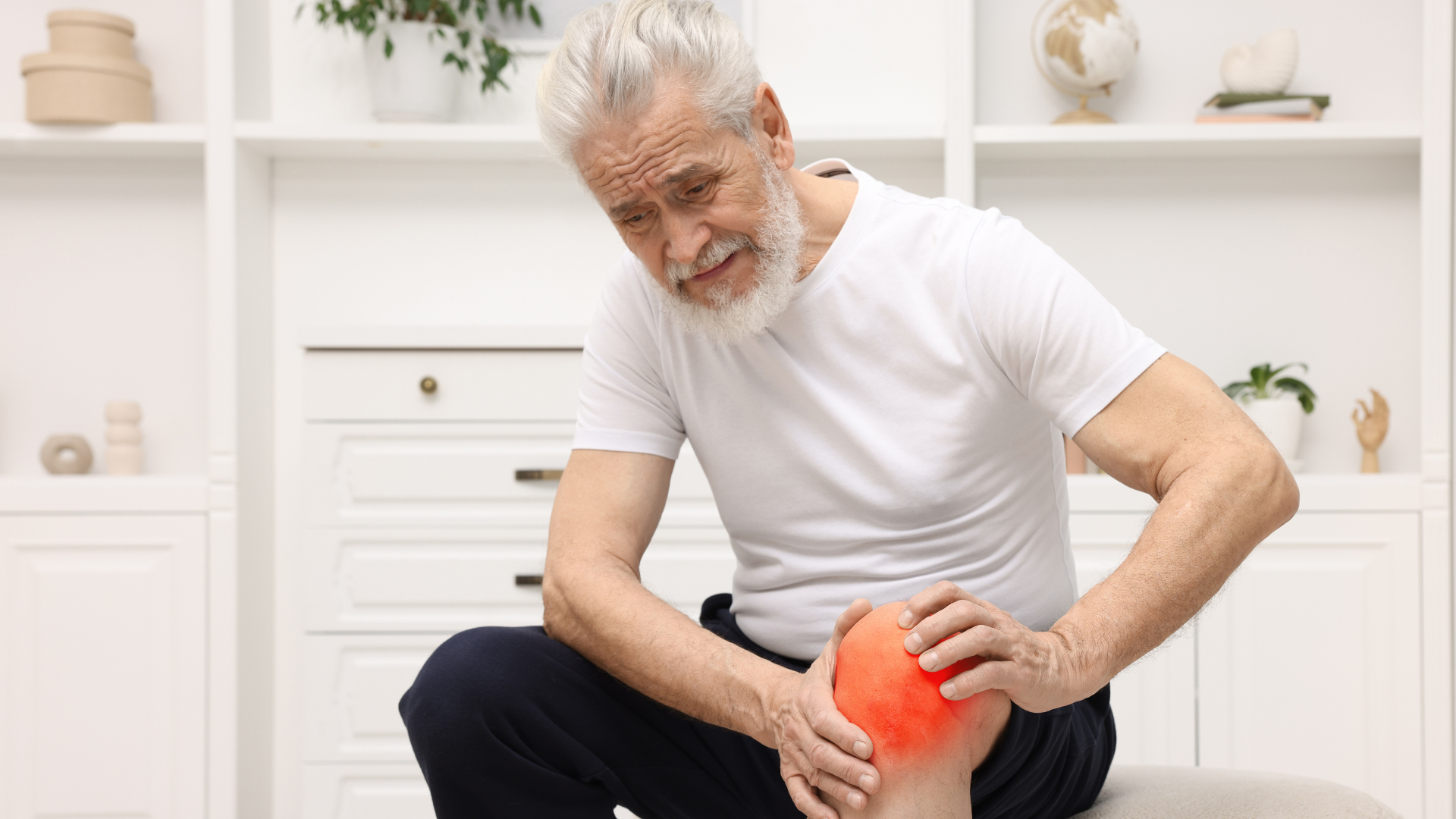
Knee osteoarthritis (OA) is one of the most common causes of knee pain, especially as temperatures drop and activity levels change in mid‑October. Many patients notice increased stiffness, swelling, or discomfort during walking, stairs, or daily activities — but physiotherapy offers highly effective, evidence‑based strategies to manage symptoms and keep you moving confidently.
This guide explains what knee OA is, why flare‑ups happen, and how physiotherapy can help you stay active through fall and winter.
What Is Knee Osteoarthritis?
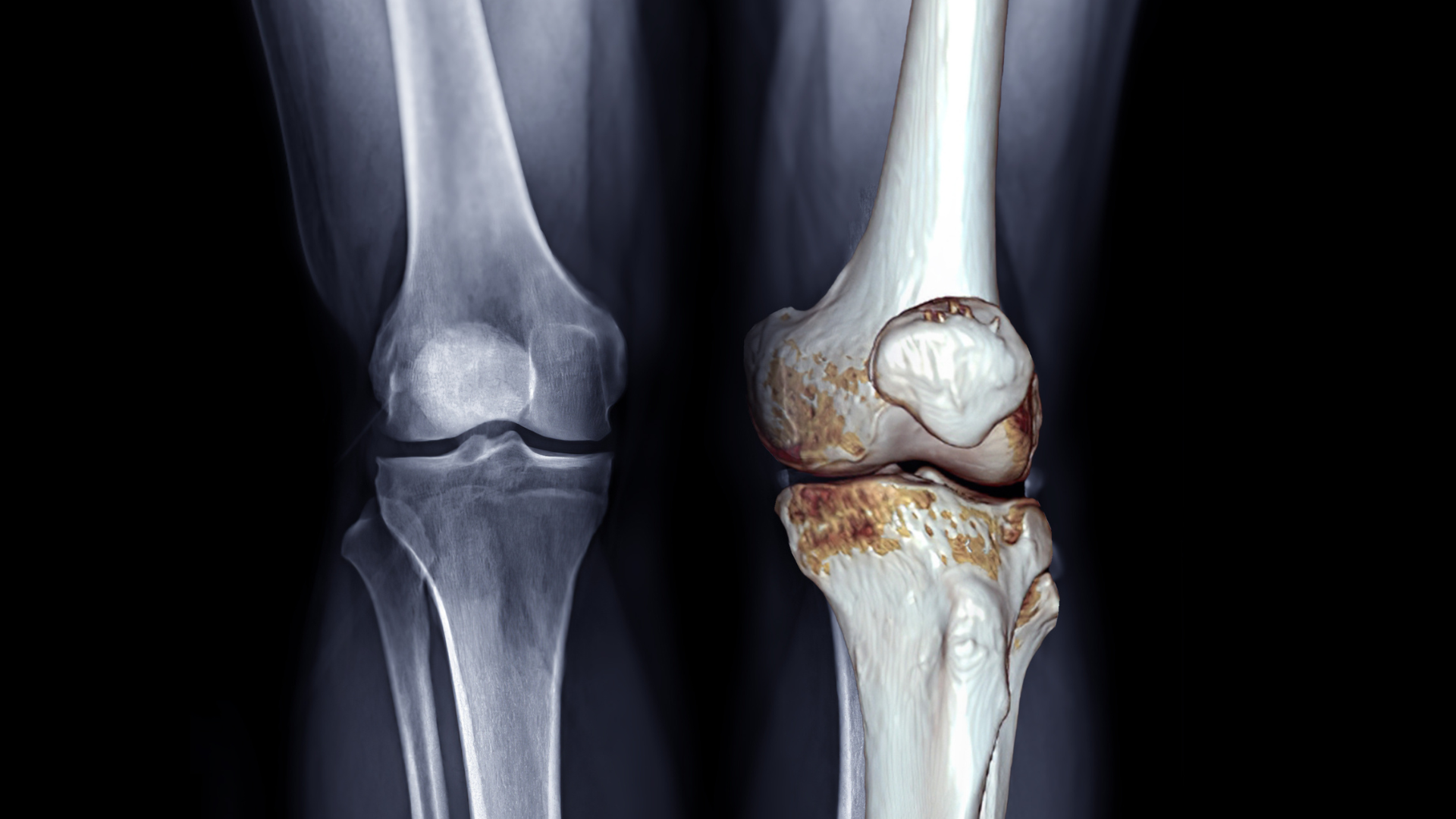
Knee OA occurs when the cartilage that cushions the joint gradually changes over time. These changes can lead to stiffness, swelling, and pain — but OA is not simply “wear and tear.” It’s a condition influenced by strength, mobility, inflammation, and how the joint moves.
Most importantly: Movement is medicine. Staying active with the right guidance is one of the best ways to manage OA long‑term.
Why Knee OA Flares Up in Fall
Many patients report worsening symptoms in October due to:
- Cooler temperatures that stiffen joints and surrounding muscles
- Changes in walking surfaces (wet leaves, uneven sidewalks)
- Increased daily walking as routines shift
- Reduced summer activity leading to weaker support muscles
- Inflammation triggered by weather changes
These factors make the knee work harder — especially if the joint is already sensitive.
Common Symptoms of Knee OA
- Morning stiffness
- Pain with walking or stairs
- Swelling around the joint
- Clicking or grinding
- Difficulty kneeling or squatting
- Reduced mobility or confidence on uneven ground
Symptoms often come and go, but flare‑ups can be managed effectively with physiotherapy.
How Physiotherapy Helps Knee OA
1. Strengthening the Support Muscles
Weakness in the quadriceps, glutes, and hip stabilizers increases pressure on the knee joint. Physiotherapy builds strength in these key areas to improve alignment and reduce pain.
2. Improving Joint Mobility
Gentle manual therapy and mobility exercises help reduce stiffness and improve movement.
3. Gait & Movement Retraining
Small changes in how you walk, climb stairs, or squat can significantly reduce joint stress. Physiotherapists teach movement strategies that protect the knee and improve comfort.
4. Targeted Exercise Prescription
OA responds extremely well to structured exercise. Your physiotherapist will design a personalized program to:
- Reduce pain
- Improve strength
- Increase flexibility
- Boost confidence in daily movement
5. Education & Self‑Management
We help patients understand:
- How to pace activity
- When to rest vs. when to move
- How to manage flare‑ups
- Footwear and walking‑aid options
- Long‑term strategies to stay active
Knowledge empowers patients to manage OA effectively at home.
What About Walking Poles?
Walking poles can reduce knee load by 20–30%, improve posture, and increase stability — especially helpful during fall and winter. They’re an excellent option for patients with knee OA who want to stay active without increasing pain.
When to See a Physiotherapist
Book an assessment if you notice:
- Increasing stiffness
- Pain that limits walking
- Swelling after activity
- Difficulty with stairs
- Reduced confidence on uneven surfaces
Early physiotherapy intervention helps prevent flare‑ups and keeps you moving comfortably through the colder months.
We’re Here to Help
Knee osteoarthritis doesn’t have to limit your fall activities. With the right physiotherapy approach, most patients see meaningful improvement in pain, mobility, and confidence.
If knee OA is affecting your daily life, our team at St. Vital Physiotherapy is ready to help.