
Neck pain is one of the most common issues we see at St. Vital Physiotherapy during the fall months. As temperatures drop and daily habits shift, many people experience new or worsening discomfort in the neck, shoulders, and upper back. Understanding why this happens — and how physiotherapy can help — is the first step toward feeling better.
Why Neck Pain Increases in Fall
1. Cold Weather = Tight Muscles
When the temperature drops, muscles naturally contract to conserve heat. This tension often settles in the neck and shoulders, creating stiffness, reduced mobility, and headaches.
2. More Screen Time Indoors
Shorter days mean more time spent on laptops, phones, and tablets. Forward‑head posture and rounded shoulders place extra strain on the cervical spine.
3. Driving Posture Changes
Hunching against the cold, gripping the steering wheel tightly, or leaning forward during icy commutes can all aggravate neck muscles.
4. Stress and Busy Schedules
November brings school deadlines, holiday planning, and increased workloads. Stress often shows up physically as muscle tension — especially in the neck.
5. Less Movement Overall
With fewer outdoor activities, joints stiffen and muscles weaken, making the neck more vulnerable to irritation.
How Physiotherapy Helps Neck Pain
Physiotherapy offers targeted, evidence‑based strategies to reduce pain and improve function:
Manual Therapy
Hands‑on techniques help release tight muscles, improve joint mobility, and reduce inflammation.
Exercise Therapy
Strengthening deep neck stabilizers and upper‑back muscles improves posture and reduces strain.
Posture & Ergonomic Coaching
Small adjustments to your workstation, driving posture, or sleep setup can dramatically reduce symptoms.
Therapeutic Modalities
Heat, IFC, cupping, acupuncture, trigger point needling, and other modalities help calm irritated tissues and promote healing.
Education & Prevention
We teach you how to move, stretch, and position your body to help prevent future flare‑ups.
Most patients notice improvement within a few sessions, especially when they combine treatment with simple home exercises.
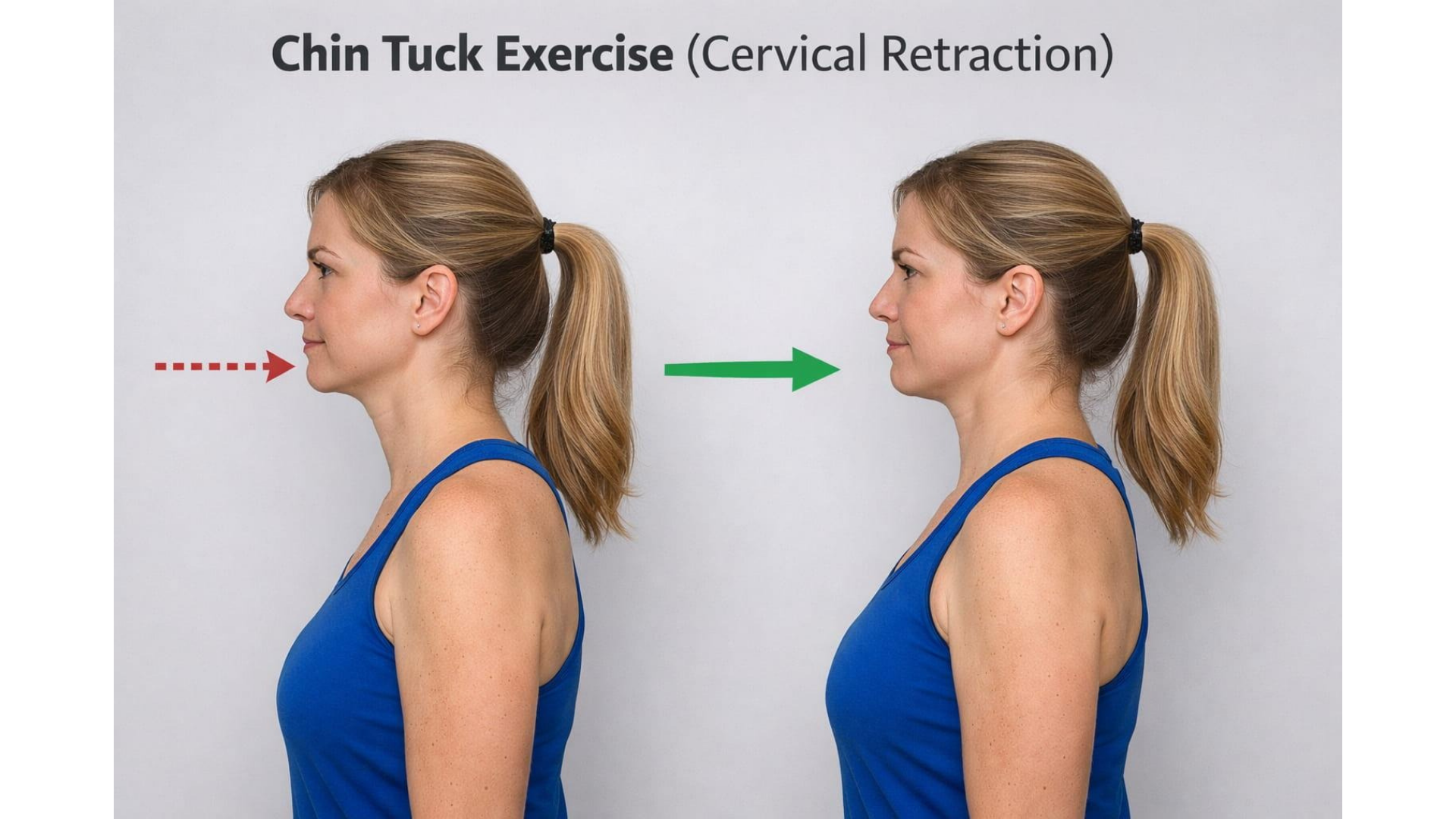
Exercise of the Month: Chin Tucks
This simple, gentle exercise helps counteract forward‑head posture — one of the biggest contributors to fall‑season neck pain.
How to Do It (General Guidance):
- Sit or stand tall with your shoulders relaxed.
- Gently draw your chin backward, as if making a “double chin.”
- Keep your eyes level — avoid tilting your head up or down.
- Hold briefly, then relax.
- Repeat several times throughout the day.
This movement helps activate deep neck stabilizers and encourages better alignment during daily activities like computer work and driving.
If you experience pain, dizziness, or worsening symptoms, it’s important to consult a qualified healthcare professional for assessment before continuing.
Signs Your Neck Needs Attention
- Persistent stiffness or limited rotation
- Headaches starting at the base of the skull
- Tingling or heaviness into the shoulders
- Pain that worsens with driving or computer work
- A tight, “crunchy,” or locked feeling when you wake up
If your neck is trying to tell you something, physiotherapy can help you understand what’s going on and support your recovery.
Book an Appointment
Whether your neck pain is new or long‑standing, our team is here to help you move comfortably again.