
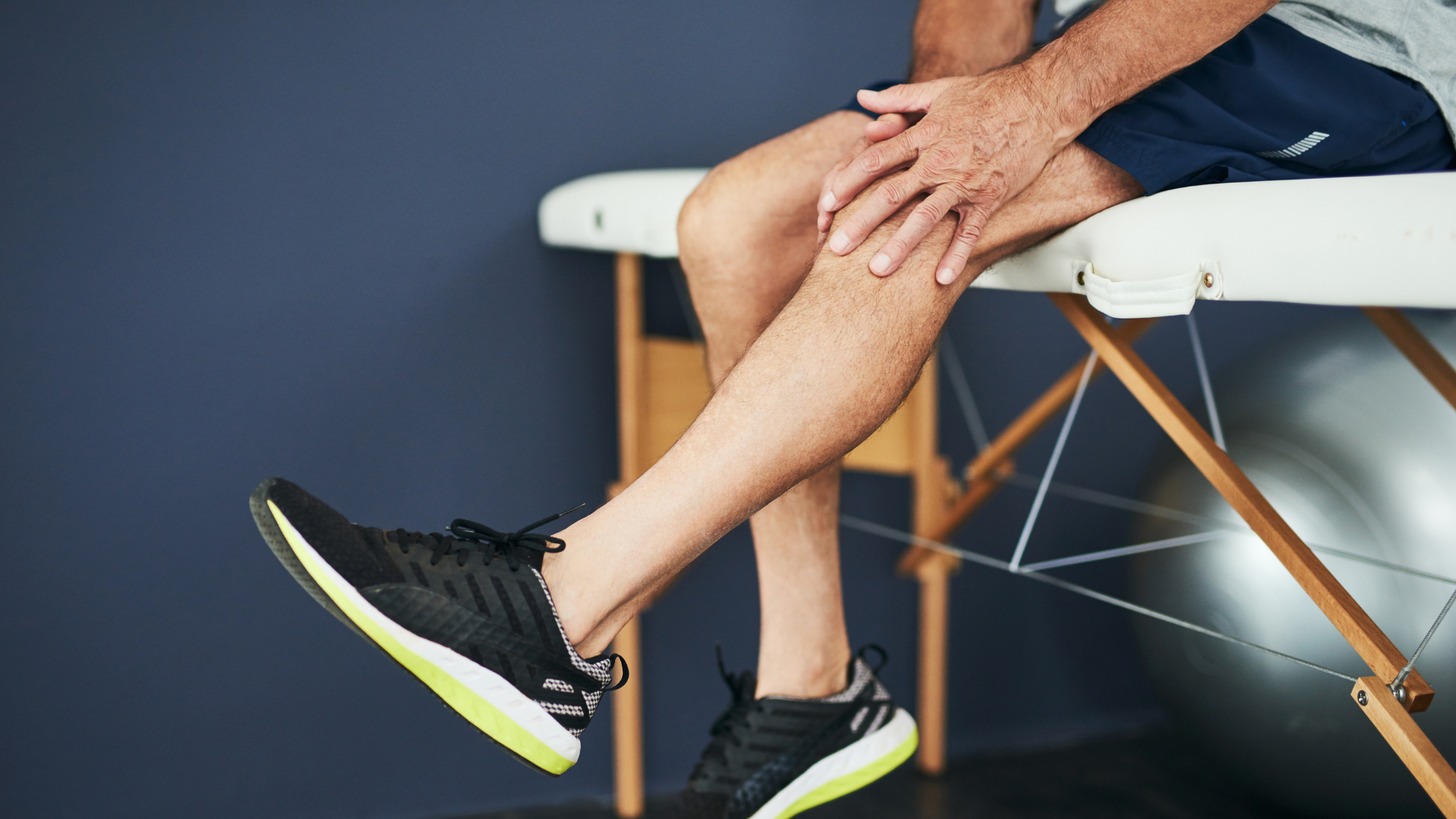
Knee pain is one of the most common reasons people seek physiotherapy, especially during the fall when activity levels shift and sports seasons begin. Whether it's discomfort during walking, pain going up and down stairs, or sharp pain during sport, knee issues can affect daily life quickly — but the good news is that most knee injuries respond extremely well to physiotherapy.
This guide breaks down the most common knee injuries we see at St. Vital Physiotherapy and how our team helps patients recover safely and confidently.
Why Knee Injuries Increase in Fall
As temperatures drop and routines change, several factors make knee pain more likely:
- Cooler weather stiffens joints and muscles, making them less resilient to sudden movement.
- Fall sports begin, including hockey, volleyball, basketball, and dance — all high-demand on the knees.
- Uneven outdoor surfaces (wet leaves, harder ground, slippery sidewalks) increase strain.
- Activity levels change, especially after a slower summer.
These seasonal shifts often expose underlying weaknesses or movement patterns that place stress on the knee.
Common Knee Injuries We Treat
1. Patellofemoral Pain Syndrome (PFPS)
Often described as pain around or behind the kneecap, PFPS is common in runners, teens, and anyone increasing activity. Typical symptoms:
- Pain with stairs
- Pain after sitting
- Clicking or grinding
- Discomfort during squatting
Why it happens: Weak hip muscles, tight quads, or poor knee alignment during movement.
2. Meniscus Irritation or Tears
The meniscus is a shock-absorbing cartilage inside the knee. It can become irritated with twisting, kneeling, or sudden direction changes. Typical symptoms:
- Sharp pain with twisting
- Clicking or catching
- Swelling after activity
Why it happens: Repetitive strain, age-related changes, or sports injuries.
3. Ligament Sprains (ACL, MCL)
Ligaments stabilize the knee. Sprains occur with sudden stops, pivots, or contact injuries. Typical symptoms:
- Instability
- Swelling
- Pain with weight-bearing
Why it happens: High-impact sports or awkward landings.
4. Tendon Overuse Injuries (Patellar or Quadriceps Tendinopathy)
These injuries are common in jumping sports or after increasing activity too quickly. Typical symptoms:
- Pain just below the kneecap
- Stiffness in the morning
- Pain during running or jumping
Why it happens: Overload without enough recovery time.
5. Osteoarthritis Flare-Ups
Cooler weather and increased walking can trigger joint stiffness and swelling. Typical symptoms:
- Morning stiffness
- Pain with walking
- Swelling
- Reduced mobility
Why it happens: Age-related changes in cartilage and joint mechanics.
How Physiotherapy Helps Knee Injuries
Physiotherapy is one of the most effective treatments for knee pain because it targets the root cause — not just the symptoms.
1. Manual Therapy
Hands-on techniques reduce stiffness, improve joint mobility, and decrease pain.
2. Strengthening Programs
We focus on the muscles that support the knee:
- Quadriceps
- Glutes
- Hip stabilizers
- Hamstrings
Strengthening these areas improves alignment and reduces strain on the joint.
3. Movement Retraining
Many knee injuries come from how a person moves — not from the knee itself. We assess:
- Walking patterns
- Squatting technique
- Running mechanics
- Sport-specific movements
Correcting these patterns prevents re-injury.
4. Exercise Prescription
Customized exercises help rebuild strength, flexibility, and control. Patients often see improvement within 3–6 sessions when exercises are done consistently.
5. Education & Prevention Strategies
We teach patients how to:
- Pace activity
- Choose supportive footwear
- Warm up properly
- Modify movements safely
Knowledge is one of the most powerful tools for long-term knee health.
When to See a Physiotherapist
You should book an assessment if you notice:
- Pain that lasts more than a few days
- Swelling
- Clicking or catching
- Difficulty with stairs
- Pain during sport
- Knee instability
Early treatment prevents small issues from becoming long-term problems.
We're Here to Help
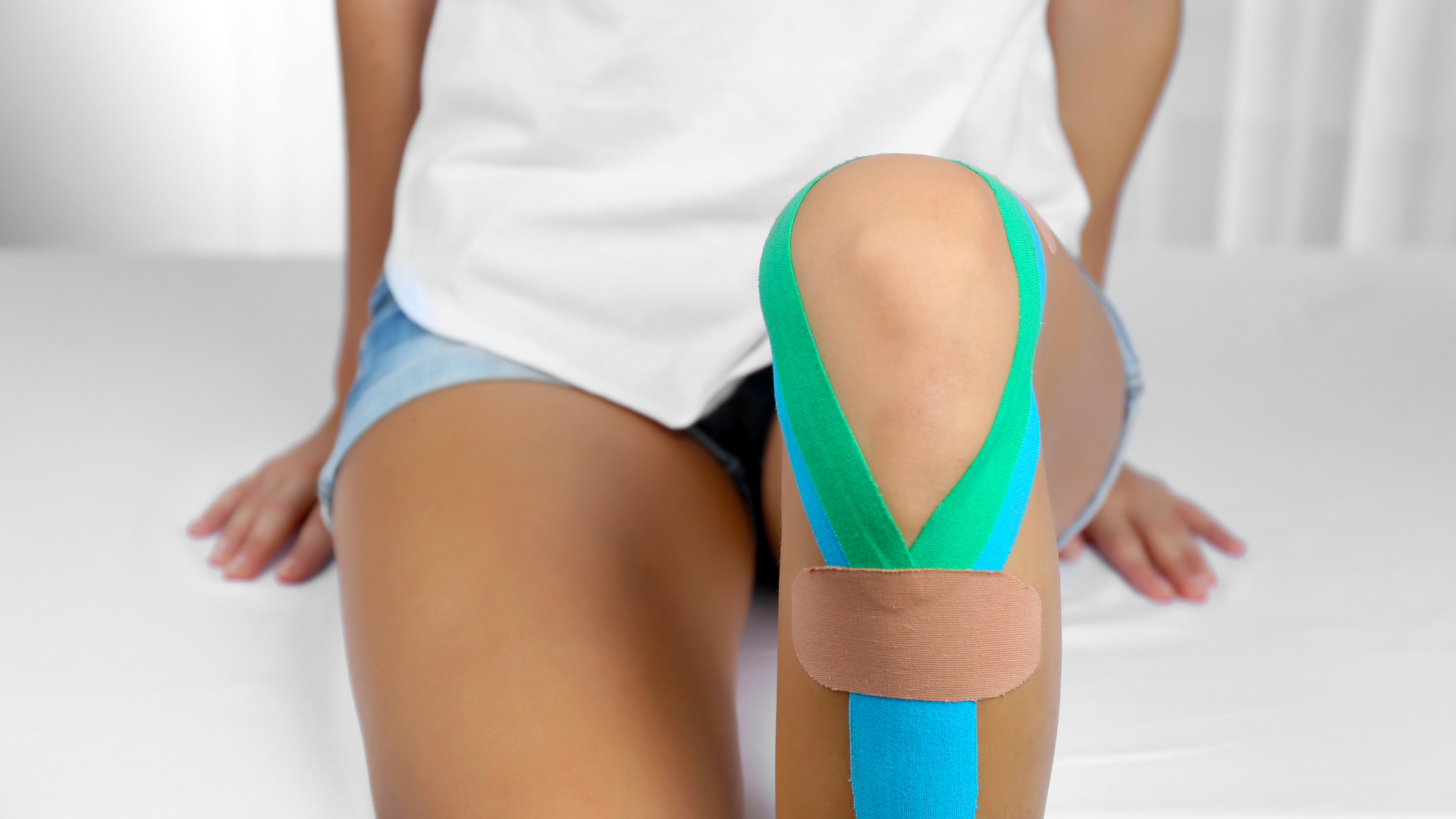
At St. Vital Physiotherapy, our team has decades of experience helping patients recover from knee injuries and return to the activities they love. Whether your pain is new or something you've been managing for a while, physiotherapy can help you move confidently again.
If knee pain is affecting your fall activities, we're ready to help.